Get reliable drain cleaning in Madison, TN. Learn about clog removal, hydro jetting, sewer line cleaning, warning signs, and preventive drain maintenance.
Slow drains, recurring clogs, gurgling fixtures, and wastewater backups can disrupt an entire property. A blockage may begin close to one sink or develop deeper inside a branch line or main sewer connection. The right response depends on where the restriction is located, what material is causing it, and whether the problem has happened before. Green Hills Plumbing INC provides residential and commercial plumbing services across Nashville and surrounding Middle Tennessee communities, including professional drain cleaning, hydro jetting, leak detection, sewer work, emergency plumbing, and other plumbing solutions.
A dependable drain service should do more than make water disappear for the moment. It should identify the likely cause, use an appropriate cleaning method, and explain whether maintenance, inspection, or repair is needed afterward. Understanding these steps helps homeowners and businesses make better decisions when drainage problems begin.
How Professional Drain Cleaning Works
Professional drain cleaning services start with symptoms. A technician may ask which fixtures are affected, how quickly water drains, whether a backup appears during heavy water use, and whether the same line has clogged before. These details help determine whether the problem is local or farther downstream.
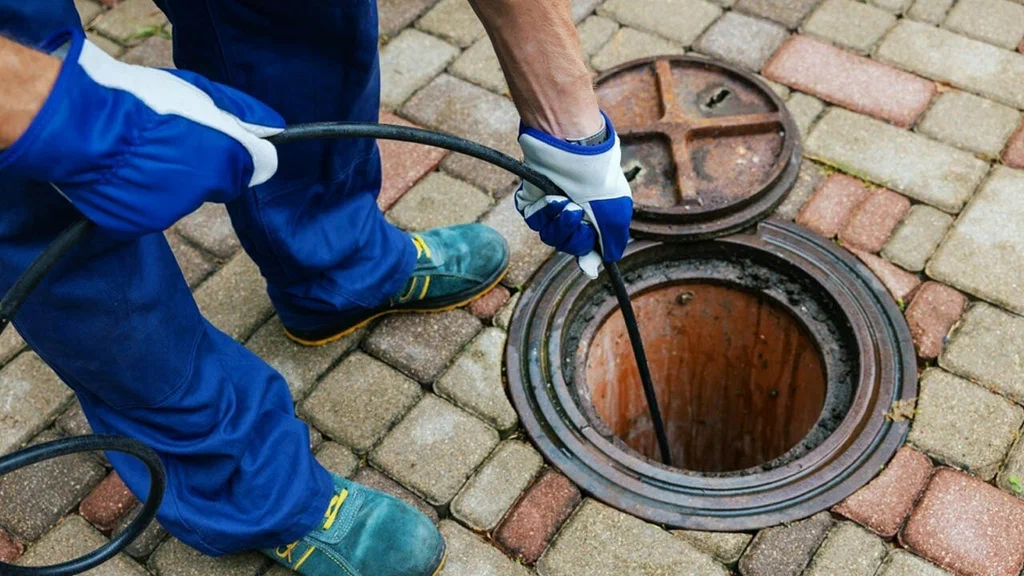
Depending on the blockage and pipe condition, service may involve mechanical snaking, power equipment, hydro jetting, or additional inspection. The company’s drain cleaning page specifically describes using snaking and hydro jetting for buildup such as hair, grease, and tree roots. It also notes that inspection can help locate the exact cause before the appropriate method is selected.
The purpose is to restore flow without using more force than the plumbing system can safely handle.
Common Warning Signs of a Clogged Drain
Drain problems often give warning signs before a complete backup occurs. Property owners should pay attention to changes in normal plumbing behavior, especially when several symptoms appear together.
Common signs include:
- Water draining more slowly than usual
- Gurgling sounds from sinks or toilets
- Water backing up into tubs or showers
- Persistent odors near drains
- Toilets that flush poorly
- Floor drains holding water
- Several fixtures slowing at the same time
- Repeated clogs in the same line
- Wastewater appearing at lower fixtures
- Drain problems returning soon after clearing
Residential Drain Cleaning in Madison, TN
Homeowners looking for residential drain cleaning in Madison, TN should begin by noting where the problem occurs and what household activity triggers it. Madison is a verified service area on the website, and the company’s location page confirms plumbing work for local homes and properties.
Kitchen sinks often develop buildup from grease, food residue, soap, and small particles. Bathroom drains commonly collect hair, personal care products, and soap residue. Laundry and floor drains can experience different types of debris depending on how the space is used.
Why Kitchen Drains Become Restricted
Kitchen plumbing handles more than water. Cooking oils, food particles, detergents, and residue can gradually coat pipe interiors. Grease is especially troublesome because it may enter the drain in liquid form, cool farther down the line, and then attach to the pipe surface.
Once a sticky layer develops, other debris can collect more easily. Over time, the opening becomes narrower and drainage slows.
Homeowners can reduce buildup by scraping dishes before washing, using strainers when appropriate, and keeping cooking oil out of the sink. Pouring very hot water into a greasy drain does not permanently eliminate the problem. It may simply move softened grease deeper into the plumbing before it cools again.
Recurring kitchen clogs deserve professional attention rather than repeated temporary treatment.
Bathroom Drain Cleaning and Hair Buildup
Hair is one of the most common causes of bathroom drainage problems. It can catch on pipe surfaces, stopper assemblies, and other debris, creating a dense obstruction that grows over time.
Soap residue, shaving products, and personal care materials can make the buildup more difficult to remove. A shower may first begin draining slightly slower, then eventually leave standing water around the drain.
Homeowners can remove visible hair from accessible areas, but they should avoid forcing improvised objects deep into the plumbing. If several bathroom fixtures slow at once, the restriction may be located in a shared line instead of directly beneath one fixture.
Professional cleaning can target the blockage while reducing the chance of damaging traps or fittings.
When Hydro Jetting Is Useful
Hydro jetting uses high-pressure water to remove stubborn material from suitable drain and sewer lines. Unlike a basic cable that may open a path through a clog, hydro jetting can clean a broader portion of the pipe interior.
This method can be useful for grease, sludge, soap buildup, and some root-related obstructions. The Green Hills Plumbing drain cleaning page specifically identifies hydro jetting as an option when traditional snaking is not enough.
Hydro jetting is not automatically appropriate for every plumbing system. Pipe age, material, condition, and visible damage should be considered first. If a line is badly deteriorated, another approach may be safer.
The goal is to choose the cleaning method that matches the actual condition rather than simply using the most aggressive option available.
Why Recurring Clogs Need Better Diagnosis
A drain that repeatedly blocks after temporary clearing may have an underlying problem that basic cleaning is not resolving.
Possible causes include heavy buildup, tree root intrusion, damaged pipe, offset joints, poor alignment, or material repeatedly entering the system. If a cable only creates a small opening through the obstruction, water may flow again briefly while significant buildup remains.
This information can help a plumber decide whether deeper cleaning, camera inspection, sewer evaluation, or another service is appropriate.
Main Sewer Line Warning Signs
A main sewer problem can affect several fixtures because multiple drains eventually connect to the same larger line.
Watch for toilets that gurgle when a sink drains, water rising in a shower when another fixture is used, lower-level drains backing up, or several fixtures slowing together. These patterns can indicate a restriction farther downstream.
When a main line is significantly blocked, continuing to use large amounts of water can worsen the backup. Property owners should reduce water use and arrange professional service rather than repeatedly testing fixtures.
The exact cause can vary. Grease, roots, debris, pipe deterioration, and foreign objects can create similar symptoms, which is why diagnosis matters before repair decisions are made.
Drain Cleaning in Nashville, TN
For customers seeking emergency drain cleaning in Nashville, TN, the company’s website identifies Nashville as a primary service area and states that drain cleaning is available for residential and commercial customers throughout Nashville and surrounding communities.
Urgent attention may be needed when wastewater is backing up into occupied areas, toilets are unusable, several fixtures stop draining, or a lower-level drain begins overflowing. In those situations, the first goal is to limit additional water use and identify the affected line.
Commercial Drain Cleaning for Businesses
Commercial properties can place heavier and more consistent demands on plumbing systems than many homes. Restaurants may deal with grease and food residue, offices may experience high restroom use, and retail or service businesses may have multiple fixtures operating throughout the day.
Managers should also train staff on what should not enter drains. Wipes, food scraps, grease, paper products, and other inappropriate materials can shorten the time between service visits.
Maintenance frequency should reflect actual use, not an arbitrary schedule.
How Camera Inspection Can Support Drain Cleaning
Video inspection can help when a blockage keeps returning or when the condition of the pipe is uncertain. A small camera travels through an accessible line and provides a view of interior conditions.
The camera may reveal roots, damaged sections, heavy buildup, standing water, or other visible problems. In some cases, cleaning must happen first because the obstruction prevents the camera from moving through the line.
After cleaning, another inspection can sometimes confirm whether the restriction has been removed and whether structural concerns remain.
Camera inspection does not replace cleaning or repair. It provides information that can make the next step more targeted.
Avoiding Chemical Drain Cleaner Problems
Store-bought chemical drain cleaners may seem convenient, but repeated use is not a good substitute for diagnosis. Some products may provide temporary improvement without removing the full obstruction.
They can also create safety concerns for anyone who later opens the trap or uses mechanical cleaning equipment. If chemical products have already been used, tell the plumber before work begins.
Preventive Drain Maintenance Tips
Good daily habits can reduce avoidable buildup and help drains stay reliable longer.
Property owners can:
- Keep cooking grease out of sinks
- Scrape food scraps into waste containers
- Use suitable sink and shower strainers
- Remove visible hair regularly
- Avoid flushing wipes or hygiene products
- Keep foreign objects out of floor drains
- Respond to slow drainage early
- Maintain commercial grease systems
- Ask about repeated clogs instead of ignoring them
- Schedule inspection when several fixtures show symptoms
Preventive care cannot stop every problem. Roots, pipe damage, and other structural conditions can still cause blockages, but reducing unnecessary debris gives the plumbing system a better chance to work normally.
Questions to Ask Before Drain Cleaning
A professional service should leave the property owner with a clear understanding of what was found.
Useful questions include:
- Where is the blockage likely located?
- Is one fixture affected or several?
- What cleaning method is recommended?
- Is hydro jetting appropriate for the pipe?
- Could camera inspection help?
- Does the line show signs of recurring buildup?
- Are roots or structural problems suspected?
- Is additional sewer work recommended?
- What maintenance can reduce another clog?
- Should water use be limited after service?
Clear answers help distinguish ordinary maintenance from a larger plumbing problem.
Conclusion
Drain cleaning is most effective when the service matches the cause and location of the blockage. Hair, grease, soap residue, food particles, roots, and other materials can all restrict plumbing, but they do not always require the same solution.
Mechanical cleaning may resolve many ordinary clogs, while hydro jetting can provide deeper cleaning for suitable lines with stubborn buildup. Camera inspection can add useful information when problems keep returning or structural concerns are suspected.
Homeowners and businesses can also reduce preventable drainage problems by controlling what enters sinks, toilets, showers, and floor drains. Early attention to slow drainage, gurgling, odors, and repeated backups can help prevent a manageable restriction from becoming a disruptive plumbing emergency.
Frequently Asked Questions
What causes most household drain clogs?
Common causes include hair, grease, food particles, soap residue, wipes, and other debris. Main sewer lines may also develop root intrusion or structural problems that contribute to repeated blockages.
When is hydro jetting better than snaking?
Hydro jetting may be useful when grease, sludge, or other material coats the pipe walls or when ordinary snaking provides only temporary relief. Pipe condition should be evaluated first.
Why do several drains clog at the same time?
Several affected fixtures can indicate a restriction in a shared branch line or main sewer line. A plumber can determine where the blockage is located and choose an appropriate cleaning method.
Should I use chemical drain cleaner for recurring clogs?
Repeated chemical treatment is not a good substitute for diagnosis. Recurring clogs may involve heavy buildup, roots, damaged pipe, or other conditions that chemical products do not correct.
Can drain cleaning prevent every sewer backup?
No. Cleaning can reduce buildup-related problems, but roots, broken pipes, offsets, or other structural issues can still cause backups and may require additional work.
When should I call a professional drain cleaner?
Call when clogs keep returning, several fixtures drain slowly, wastewater backs up, strong odors persist, or ordinary household methods do not restore reliable drainage.


