Fixture installation in Madison, TN upgrades faucets, sinks, toilets, and shower fixtures with proper fitting, reliable seals, and clean performance daily.
Small plumbing fixtures have a major influence on how comfortably a kitchen or bathroom works. A dripping faucet, loose sink, outdated toilet, damaged showerhead, or poorly connected fixture can create inconvenience, wasted water, and eventually moisture problems around nearby surfaces. Green Hills Plumbing INC provides professional fixture installation for residential and commercial properties throughout Middle Tennessee. Whether the project involves replacing one worn fixture or updating several fixtures during a renovation, proper installation matters just as much as the product selected. Connections must align correctly, seals need to remain secure, water supply lines must fit the application, and drainage components should operate without leaks. Homeowners in Madison, Hermitage, and surrounding communities can also use fixture upgrades to refresh older rooms without completely rebuilding them. The right approach begins by evaluating existing plumbing, choosing fixtures that fit the available space, and making sure each new component works correctly with the current water and drain connections.
Updating Everyday Plumbing With the Right Fixtures
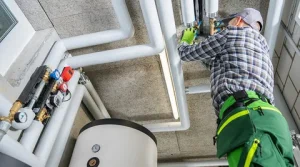
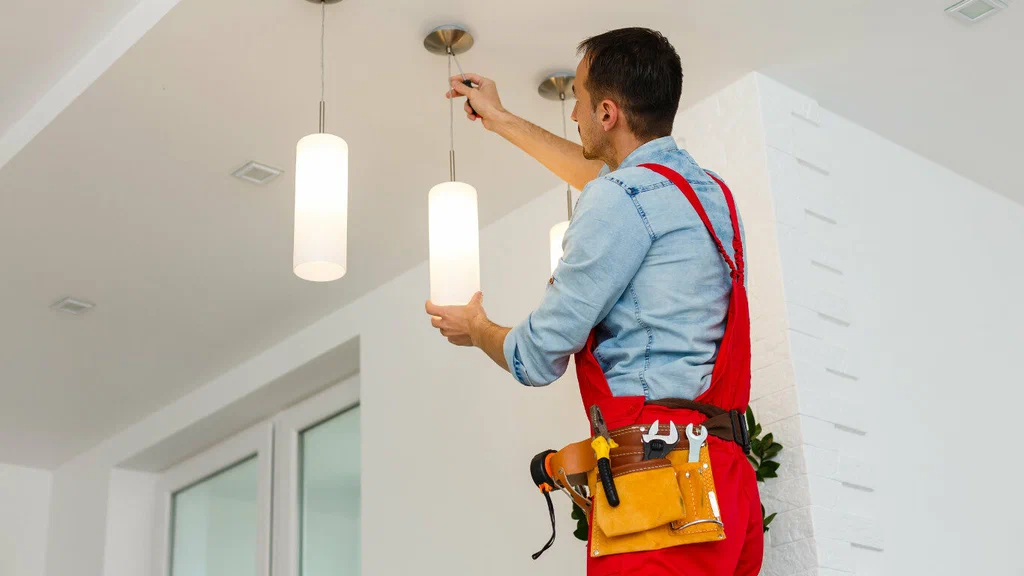
Professional fixture installation and replacement can include faucets, sinks, toilets, showerheads, bathtubs, and other commonly used plumbing components.
A fixture replacement may seem straightforward until the old unit is removed.
Connections can be corroded, shutoff valves may not operate correctly, mounting surfaces may be damaged, or the new fixture may require a slightly different configuration.
Checking these details before installation helps prevent a simple upgrade from creating another plumbing problem.
The project should also match how the room is actually used. A busy family kitchen may prioritize a durable faucet with convenient controls, while a guest bathroom may place more emphasis on appearance.
Commercial restrooms can have different requirements related to frequent use, accessibility, and maintenance.
Good fixture selection balances appearance, function, available space, and the plumbing already in place.
Fixture Installation in Madison, TN
Homeowners planning plumbing fixture installation in Madison, TN may be replacing outdated bathroom components, completing a remodel, or correcting a fixture that no longer works reliably.
The Madison service area page supports new plumbing installations and toilet repair and replacement, making professional fixture work relevant for both existing properties and construction projects.
Before removing an old fixture, the surrounding area should be inspected.
A leaking toilet can affect flooring around the base. A sink leak may damage the cabinet underneath. A shower fixture that has leaked behind a wall may need more attention than a simple hardware replacement.
Finding those conditions early allows the project to address the cause instead of hiding it beneath a new fixture.
Once the connection area is sound, the replacement can be positioned, sealed, connected, and tested for dependable operation.
Kitchen Fixture Upgrades in Hermitage, TN
Property owners considering kitchen fixture upgrades in Hermitage, TN can improve both everyday convenience and the appearance of the room without changing the entire kitchen.
The Hermitage area page specifically supports sink installation, faucet upgrades, dishwasher hookups, and new water lines during kitchen renovation work.
A kitchen faucet receives frequent daily use, so practical details matter.
Handle style, spout height, sprayer design, sink depth, and clearance around windows or cabinets can affect how comfortable the fixture feels after installation.
Sink replacement may involve additional planning because the opening in the countertop must match the new model.
Drain placement and garbage disposal connections may also need to coordinate with the new sink configuration.
Reviewing these details before installation helps avoid unnecessary modifications after the fixture has already been purchased.
Replacing Faucets That Leak or Feel Worn
A faucet does not always need to fail completely before replacement makes sense.
Persistent dripping, corrosion, loose handles, difficult controls, visible wear, or repeated internal repairs can make a newer fixture a practical option.
The installation process involves more than tightening the faucet onto the sink.
Supply lines need secure connections, mounting hardware should hold the fixture firmly, and clearances underneath the sink must allow the plumbing to remain accessible.
Old shutoff valves should also be checked while the area is open.
If they are difficult to close or show signs of leakage, addressing them during the fixture project can make future maintenance easier.
After installation, hot and cold operation, water flow, sprayer functions, and all connections should be tested before the work is considered complete.
Sink Replacement During Kitchen or Bathroom Updates
Sinks can become scratched, stained, chipped, cracked, or simply outdated compared with the rest of a remodeled room.
Replacing one can create a noticeable visual change, but compatibility is important.
Drop-in, undermount, pedestal, wall-mounted, and vanity sinks each have different installation requirements.
The countertop or supporting structure must match the selected type.
Drain position also matters because the new sink may not align exactly with the existing trap.
A plumber can determine whether reasonable adjustments are needed to create a clean connection.
Homeowners replacing both the sink and faucet should choose the two components together.
Faucet-hole configuration, sink depth, spout reach, and available mounting space should work as one system rather than being selected independently.
Toilet Installation Starts Below the Fixture
A new toilet can improve the look and function of a bathroom, but much of the important installation work happens where the fixture meets the floor and drain.
After the old toilet is removed, the flange and surrounding area can be inspected.
Damage, corrosion, movement, or previous leakage may need attention before the new unit is set.
The toilet should sit securely without rocking.
A proper seal helps prevent wastewater or moisture from escaping around the base.
Water supply connections also need to remain dry after the tank fills and the toilet is tested.
Homeowners can choose from standard, low-flow, dual-flush, and other models depending on their preferences and bathroom layout.
Measurements should be checked before purchase because rough-in dimensions and available space can affect which models fit comfortably.
Shower Fixture Changes Can Refresh a Bathroom
Not every bathroom improvement requires replacing the tub or shower enclosure.
Changing showerheads, faucets, trim, or related controls can give the bathing area a more current appearance while improving usability.
The scope depends on what is being changed.
Replacing a showerhead can be relatively limited, while changing valves or moving fixture locations may require access behind the finished wall.
Homeowners should decide whether they want a cosmetic update or a larger plumbing change before selecting products.
Existing valve compatibility also matters because decorative trim from one system may not fit another manufacturer’s internal valve.
Checking compatibility before ordering parts can prevent delays and unnecessary wall work.
For remodels, fixture selection should happen early enough that the plumbing layout can be coordinated with tile, waterproofing, and wall finishes.
Choosing Water-Efficient Plumbing Fixtures
Modern fixtures can provide opportunities to reduce water use without making the room less convenient.
Low-flow toilets, efficient faucets, and water-saving shower fixtures are available in many styles.
Homeowners should compare performance, dimensions, controls, and installation requirements rather than focusing only on efficiency claims.
The best fixture is one that fits the room and works well enough that household members enjoy using it every day.
Water pressure should also be considered.
If several fixtures throughout the property have weak flow, replacing a single faucet may not solve the underlying issue.
A plumber can help determine whether the problem comes from the fixture itself, a restricted supply line, pressure conditions, or another plumbing concern.
Fixture Replacement During Bathroom Remodeling
Bathroom remodeling creates an opportunity to coordinate several plumbing decisions at once.
The toilet, sink, faucet, shower, tub, and other fixtures should fit the final layout.
If fixtures are moving to new locations, supply and drain lines may also need changes.
Making these decisions before walls and flooring are finished can reduce extra work later.
Homeowners should also think about clearances.
A larger vanity can reduce walkway space. A different toilet may project farther into the room. A tall faucet may interfere with a mirror or cabinet.
Measurements taken at the beginning help prevent these conflicts.
When the plumbing plan and room design are developed together, the finished bathroom can feel more intentional and operate more comfortably.
Commercial Fixture Installation Needs a Practical Approach
Commercial kitchens, offices, restaurants, retail spaces, and other businesses often place heavier demands on plumbing fixtures than a typical home.
Restroom faucets and toilets may be used many times throughout the day.
Commercial sinks may support cleaning, food preparation, or other operational tasks.
Durability and serviceability can therefore be important considerations.
Businesses should also plan fixture replacement around operating hours when possible.
Closing a restroom or work area unexpectedly can interrupt employees or customers.
For planned upgrades, installing several fixtures during one coordinated project may reduce repeated interruptions.
Green Hills Plumbing INC serves both residential and commercial customers, so the fixture plan can be based on how frequently the equipment will be used and what the property needs from the finished installation.
Why Correct Sealing and Testing Matter
Many fixture problems appear at connection points.
A small leak around a faucet supply line can slowly damage a cabinet.
Water escaping around a toilet base can affect nearby flooring.
Loose drain connections can create moisture and odors beneath a sink.
Proper sealing helps prevent these problems, but every connection should also be tested after installation.
Running water through the fixture allows the plumber to inspect supply and drainage connections under normal operating conditions.
Toilets should be flushed repeatedly, faucets should be operated through their full range, and drains should be checked for proper flow.
Testing before the work area is closed makes it easier to identify a minor adjustment while everything remains accessible.
Know When Repair or Replacement Makes More Sense
A worn fixture does not always need immediate replacement.
Some faucet leaks can be repaired with internal parts, and certain toilet problems may only require a new fill valve or flapper.
Replacement becomes more reasonable when the fixture is heavily worn, repeatedly malfunctioning, damaged, difficult to repair, or no longer matches the needs of the room.
Appearance can also be a valid reason during renovation.
A functioning but dated faucet may stand out after new countertops and cabinetry are installed.
The decision should consider repair cost, age, condition, available replacement parts, and the homeowner’s plans for the space.
A professional assessment can help separate a small repair from an upgrade that offers better long-term value.
Prepare the Space Before Installation Day
A little preparation can make fixture installation easier.
Homeowners can clear items from beneath sinks, remove personal products from bathroom work areas, and provide enough access around the fixture.
If a specific faucet, sink, toilet, or shower component has already been purchased, keeping all manufacturer parts together helps avoid missing pieces.
Contractors should also know about previous plumbing concerns.
Mention recurring leaks, weak water pressure, drainage issues, or past repairs near the fixture.
Those details can point to conditions that should be checked before the replacement is installed.
For larger remodeling projects, confirming fixture models early helps plumbers prepare connection locations accurately.
Conclusion
Fixture installation can be a focused way to improve kitchens, bathrooms, commercial restrooms, and other frequently used spaces without changing the entire plumbing system.
For properties in Madison and Hermitage, the process can involve replacing faucets, sinks, toilets, shower components, or several fixtures during a larger renovation.
The strongest results come from checking existing connections first, selecting products that fit the space, and testing each fixture after installation.
Measurements, drain positions, supply lines, shutoff valves, seals, and surrounding surfaces all deserve attention before the job is finished.
Green Hills Plumbing INC provides fixture installation and replacement services for residential and commercial properties across Middle Tennessee.
By combining the right fixture with proper plumbing connections and careful installation, property owners can improve daily function, update the appearance of a room, and reduce the chances of leaks caused by poorly fitted components.
Frequently Asked Questions
What plumbing fixtures can be professionally installed?
Common projects include faucets, sinks, toilets, showerheads, bathtubs, and other kitchen or bathroom fixtures connected to water supply or drainage lines.
Should I buy my new fixture before calling a plumber?
You can, but checking measurements, connection requirements, and compatibility first can help prevent purchasing a fixture that does not fit the existing space.
Can a plumber replace only one leaking faucet?
Yes. Fixture work can involve a single replacement or several upgrades completed together during a kitchen, bathroom, or commercial renovation.
What should be checked when replacing a toilet?
The flange, floor condition, rough-in measurement, water supply connection, seal, stability, and flushing operation should all be reviewed during installation.
Can new fixtures help update an older bathroom?
Yes. Replacing outdated faucets, sinks, toilets, or shower components can noticeably refresh a bathroom without requiring a complete remodel.
Why should new plumbing fixtures be tested after installation?
Testing confirms that supply connections remain dry, drains flow correctly, seals hold properly, and the fixture operates as intended before the job is finished.