Protect your home with Sump Pumps in Green Hills, TN. Learn pump types, backup power, drainage, maintenance, warning signs, and flood prevention plans now.
Heavy rain, rising groundwater, and drainage problems can put basements and crawlspaces at risk when water has no reliable way to leave the lowest part of a home. A sump pump collects water in a dedicated basin and moves it away from the property before it can spread across the floor. For homeowners who already have a pump, unusual noises, frequent cycling, or a unit that fails to start can signal that the system needs attention. Green Hills Plumbing INC provides plumbing and water-control services throughout Middle Tennessee.
A dependable sump setup involves more than placing a pump in a pit. The basin, discharge line, check valve, electrical supply, drainage path, and backup planning all affect how well the system can respond when water enters. Homeowners should understand where the water is coming from, where it will be discharged, and what will happen if the primary pump loses power. Reviewing these details before severe weather can expose weak points while there is still time to correct them.
Know What the Sump System Is Designed to Do
The company’s dedicated Sump Pumps service includes installation, replacement, repair, drainage planning, and battery backup options for basement and crawlspace water control.
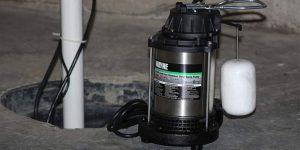
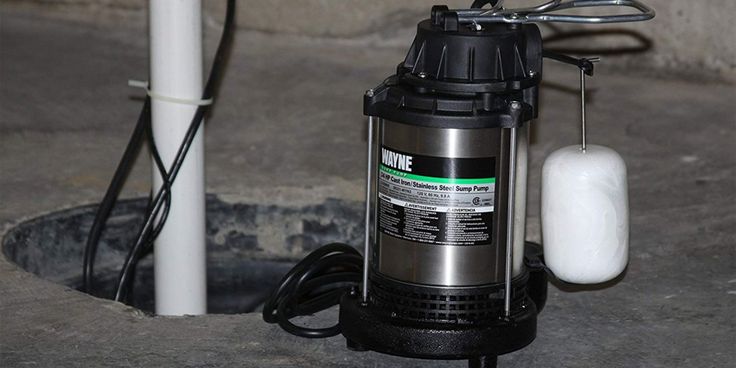
A sump basin is typically positioned at a low point where groundwater or drainage water can collect. As the water level rises, the pump activates and moves that water through a discharge line to an appropriate location away from the protected area.
The system is meant to manage incoming water. It should not be expected to repair foundation cracks, stop roof leaks, or correct exterior grading by itself.
Understanding that difference is important. If water is entering from several sources, the pump may be only one part of a broader drainage solution.
Learn the Difference Between Common Pump Types
Two common configurations are submersible and pedestal sump pumps.
A submersible pump sits inside the basin and operates while surrounded by water. This arrangement keeps much of the equipment inside the pit and can be useful where basin space and installation conditions allow it.
A pedestal model positions the motor above the basin while the pumping mechanism reaches down into the water. Its layout can make certain components easier to access, although it may be more visible in the room.
The right option depends on basin size, water volume, available space, discharge requirements, and the existing setup.
Homeowners should avoid choosing solely on price or appearance. The pump must be able to handle the conditions expected at the property.
Check the Basin Before Replacing the Pump
A failing pump does not always mean the rest of the sump system is in good condition.
The basin should be inspected for debris, damage, poor sizing, or conditions that restrict the float mechanism. A float that cannot move freely may prevent the pump from starting or cause it to continue running longer than necessary.
The inlet paths that bring water into the basin also matter. If those paths are blocked, water may collect elsewhere instead of reaching the pump efficiently.
Homeowners planning sump pump installation in Green Hills, TN should have the complete setup reviewed rather than replacing one component without checking how the basin and drainage system work together.
A good replacement should address the existing water-control arrangement, not just the failed motor.
Test the Pump Before Heavy Rain Arrives
The worst time to discover a sump pump problem is after water has already started entering the basement.
Homeowners can periodically confirm that the pump activates correctly and that water leaves through the discharge line. The float mechanism should move without obstruction, and the pump should shut off once the water level drops.
Unusual grinding, rattling, or repeated clicking deserves attention. A pump that runs continuously when the basin is nearly empty may also indicate a float, switch, discharge, or sizing problem.
Testing is especially useful before seasons when heavy rain is more likely.
If the system has not operated for a long period, a basic function check can reveal problems before the next storm places the pump under sustained demand.
Do Not Ignore Frequent Cycling
A sump pump that switches on and off every few minutes may be responding to significant water entering the basin, but other conditions can also cause short cycling.
A basin that is too small may fill quickly. A check valve problem can allow discharged water to return toward the pit. Float placement can also influence how frequently the pump starts.
Repeated cycling adds operating time to the equipment and should not automatically be treated as normal.
Pay attention to when the behavior occurs. Does the pump cycle constantly only during heavy rain, or does it continue during otherwise dry weather?
That information can help determine whether the issue relates to groundwater conditions, drainage, or the sump equipment itself.
Make Sure Discharged Water Moves Away From the Home
Pumping water out of the basement is only useful when that water is directed to an appropriate location.
If a discharge line releases water immediately beside the foundation, some of that moisture may move back toward the home and return to the sump system. This creates an inefficient cycle and can keep soil around the structure unnecessarily wet.
The discharge path should be checked for restrictions, damage, or disconnected sections.
Outdoor sections can also be affected by landscaping changes, debris, or accidental damage.
Homeowners should observe the discharge area during normal operation when it is safe to do so. Water should move away without immediately pooling against the building.
Understand Why the Check Valve Matters
A check valve helps prevent water already pushed into the discharge line from flowing back toward the sump basin after the pump stops.
Without proper control of this return flow, the basin can refill partly with water that was just removed. The pump may then restart sooner than necessary.
Repeated water movement can sometimes be heard as the system shuts off.
A check valve should be installed and maintained according to the sump system design. If water appears to rush back into the basin after every cycle, the valve and discharge arrangement may need inspection.
This small component can have a noticeable effect on how often the pump operates.
Prepare for Power Outages
Storms that bring heavy rain can also interrupt electrical service, creating a difficult situation for a sump system that depends entirely on household power.
A battery backup system can provide another level of protection when the primary pump cannot operate because of a power outage or certain equipment problems.
Backup capacity is not unlimited, so homeowners should understand how the selected system works and how its battery needs to be maintained.
The backup pump should also be tested periodically rather than assumed to work simply because it has never been needed.
Green Hills Plumbing INC identifies battery backup systems as part of its sump pump service, making backup planning worth discussing when a property has a history of water entering the basin.
Watch for Warning Signs of a Failing Pump
Some sump pump failures happen suddenly, while others provide warning signs.
A motor that becomes unusually loud, a pump that struggles to start, constant vibration, repeated shutdowns, visible corrosion, or water rising higher than usual in the basin can indicate a developing problem.
Age can also matter, but condition and workload are more useful than relying on a single replacement schedule for every system.
A pump that operates frequently during wet weather may experience different demands from one that rarely runs.
Homeowners should respond to changes in performance instead of waiting for complete failure. Early inspection may reveal a repairable switch, float, discharge, or electrical issue.
Keep the System Accessible
Basements and utility areas often become storage spaces, and sump equipment can gradually disappear behind boxes, furniture, or shelving.
The basin and nearby components should remain accessible for testing and maintenance. Blocking the area makes it harder to respond quickly if the pump stops during heavy rain.
Items stored directly around the basin can also interfere with covers, wiring, or inspection.
Keep enough working space around the system for routine service.
Important electrical components and discharge connections should not be hidden behind permanent storage that would need to be dismantled before the pump can be reached.
Consider the Sump Pump During Basement Remodeling
Finishing a basement can change access to drainage systems.
Walls, flooring, cabinets, and built-in storage should be planned so the sump basin remains serviceable. Completely enclosing the equipment may make future pump replacement unnecessarily difficult.
Water-resistant finish choices can also be worth considering in areas with a history of moisture.
If the sump system needs upgrading, completing that work before new flooring or finished walls are installed may reduce disruption later.
The same principle applies when a basement’s layout changes. Water-control equipment should remain part of the renovation plan rather than being treated as something that can simply be hidden.
Check the System After Severe Weather
Heavy storms place sump systems under greater demand than routine groundwater conditions.
After significant rainfall, homeowners can inspect the basin area for signs that water rose unusually high, the pump ran continuously, or discharge water failed to move away correctly.
Outdoor discharge piping should also be checked from ground level for obvious damage or blockage.
If the basement remained dry but the pump behaved differently than usual, that change may still deserve attention.
Property owners considering sump pump service in Brentwood, TN can use post-storm checks to identify problems before the next period of heavy rainfall creates another test for the system.
Build Maintenance Into the Flood-Prevention Plan
A sump system should not be installed and forgotten.
Periodic testing, basin cleaning when needed, float checks, discharge inspection, backup battery maintenance, and attention to unusual sounds can help homeowners understand whether the system remains ready to operate.
Exterior drainage should also be considered. Gutters, downspouts, grading, and water collection around the property can influence how much moisture reaches the foundation.
The sump pump works at the end of the water-control process. Reducing unnecessary water around the home can lower the demand placed on it.
A broader approach to drainage is more useful than relying on one mechanical device to solve every moisture concern.
Conclusion
Sump Pumps provide an important layer of protection when groundwater or drainage water collects beneath a home, but reliable performance depends on the complete system. The basin, pump type, float, check valve, discharge route, electrical supply, backup power, and surrounding drainage all influence how effectively water can be removed.
In Green Hills, homeowners can reduce surprises by testing the system before heavy rain and keeping the basin accessible for inspection. In Brentwood, the same planning approach can help homeowners identify discharge, cycling, or backup-power concerns before a storm creates an urgent situation.
Green Hills Plumbing INC provides sump pump installation, repair, replacement, and backup options throughout its Middle Tennessee service area. Regular checks and early attention to changes in pump behavior can help keep the system prepared when water levels rise.
Frequently Asked Questions
What does a sump pump do?
A sump pump collects water that enters a dedicated basin and pumps it through a discharge line away from the protected basement or crawlspace area.
How can I tell whether my sump pump is working?
The pump should activate when the water level reaches its trigger point, move water through the discharge line, and shut off after the basin level falls. Unusual noises or failure to start should be investigated.
Why does my sump pump keep turning on and off?
Frequent cycling can be related to heavy incoming water, basin size, float settings, a check valve problem, or water returning through the discharge line.
Do I need a battery backup sump pump?
A backup can provide added protection when electrical power fails during a storm. Whether it is appropriate depends on the property’s water conditions and the consequences of the primary pump stopping.
Can a sump pump stop all basement flooding?
No single device can prevent every source of basement water. Roof leaks, plumbing failures, foundation problems, poor grading, and drainage issues may require separate solutions.
When should a sump pump be inspected?
Check the system periodically and before periods of heavy rain. Professional inspection is useful when the pump becomes noisy, cycles unusually, fails to start, or no longer removes water effectively.