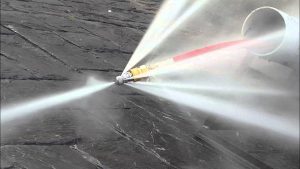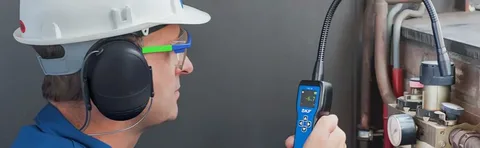
Learn when leak detection services are needed in Brentwood, TN, how hidden leaks are found, warning signs to watch for, and mistakes homeowners should avoid.
Green Hills Plumbing INC works with plumbing problems throughout Middle Tennessee, including homes and businesses in Brentwood and Madison. One of the hardest problems to identify is a leak that develops behind a wall, below a floor, or inside a plumbing line without leaving an obvious puddle.
Professional Green Hills Plumbing INC helps narrow down where water is escaping before unnecessary walls, flooring, or fixtures are opened. Early investigation can also help homeowners understand whether the problem comes from a plumbing line, fixture, drain connection, or another water source.
When Leak Detection Services Make Sense
Not every leak creates visible dripping water. Some develop slowly and remain hidden for weeks or months.
Watch for changes that do not have a clear explanation, such as:
- A sudden increase in water usage
- Damp spots on walls or ceilings
- Flooring that feels warped or soft
- Musty odors in one area
- Water stains that keep returning
- Reduced water pressure
- Sounds of running water when fixtures are off
- Moisture around cabinets or baseboards
One warning sign alone does not always confirm a plumbing leak. However, several signs appearing together deserve closer attention.
How Leak Detection Services Locate Hidden Problems
A plumber should first gather information before opening walls or floors. The inspection often starts with visible fixtures, supply lines, shutoff valves, water heaters, toilets, and exposed piping.
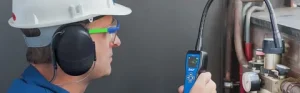
For leak detection services in Madison, TN , the next steps may depend on the location and type of plumbing system. A technician may check water meter activity, isolate plumbing sections, perform pressure testing, or use specialized equipment to narrow down the source.
The goal is not simply to prove that water is leaking. A useful inspection should identify the most likely location and help determine the right repair.
Visible Leaks vs. Hidden Water Leaks
Visible leaks are usually easier to diagnose because the source can often be seen directly. Hidden leaks require more investigation.
| Type of Leak | Common Signs | Typical Approach |
| Faucet leak | Dripping fixture | Inspect seals and internal parts |
| Toilet leak | Running toilet or tank cycling | Test toilet components |
| Under-sink leak | Water inside cabinet | Inspect supply and drain connections |
| Wall leak | Staining or damp drywall | Trace plumbing location |
| Underground leak | High water use or wet ground | Test and isolate water lines |
| Hidden pipe leak | Moisture with no visible source | Detailed leak investigation |
This is why searching only for the wettest spot can be misleading. Water often moves along framing, pipes, or building materials before becoming visible.
What a Leak Detection Specialist Should Check
A leak detection specialist in Brentwood, TN should consider the entire plumbing system instead of assuming that the first damp area marks the source.
For example, a ceiling stain below a bathroom could come from a supply line, drain connection, toilet seal, shower enclosure, or another nearby source. Good diagnosis separates these possibilities before repair work begins.
Homeowners should be ready to explain:
- When the problem first appeared
- Whether the stain changes after showers or appliance use
- If water bills have increased
- Whether previous repairs were completed nearby
- If the property has had recent plumbing work
- Whether the problem appears during or after rain
These details can reduce guesswork.
Practical Steps Before Calling for Leak Detection
Start by checking easy-to-reach plumbing areas. Look below sinks, around toilets, near the water heater, beside washing machines, and around visible supply connections.
Next, turn off faucets and water-using appliances. Check whether you still hear water movement or notice unexpected meter activity. Avoid taking apart plumbing components unless you know how to shut off the correct water supply.
In Brentwood and Madison homes, plumbing layouts, building age, remodeling history, and pipe materials can vary. Keep records of previous plumbing repairs because an older repair location may help guide the inspection.
Common Mistakes When Dealing With Hidden Leaks
One common mistake is covering a stain with paint before identifying why it appeared. If moisture continues behind the surface, the stain will usually return.
Another mistake is opening large sections of drywall based only on where water becomes visible. The actual leak may sit several feet away.
Homeowners should also avoid:
- Ignoring small increases in water use
- Repeatedly repairing surface damage without checking the cause
- Assuming every damp area comes from plumbing
- Waiting for a minor leak to become an emergency
- Using temporary sealants as a permanent repair
- Replacing plumbing parts without confirming the failed component
Accurate diagnosis often saves more time than trial-and-error repairs.
Best Practices After a Leak Is Found
Once the source is confirmed, ask what caused the failure. A loose connection may require a simple repair, while corrosion or repeated leaks could point to a larger pipe problem.
After repairs, monitor the area for new moisture. Keep photos and invoices so you have a record if the problem returns.
It also helps to check nearby plumbing while access is available. This does not mean replacing working parts without reason. It means looking for corrosion, damaged fittings, or other visible conditions that may need attention soon.
Conclusion
Professional leak detection services can help find water problems without relying on guesswork or unnecessary demolition. The key is to act when warning signs first appear and identify the actual source before repairing damaged walls, floors, or ceilings.
For property owners in Brentwood and Madison, Green Hills Plumbing INC can be considered when a plumbing issue requires further investigation. Whether the problem calls for hidden water leak detection or evaluation by a leak detection specialist, accurate diagnosis should come before major repair work.
FAQs
1. How can I tell if I have a hidden water leak?
Watch for unexplained water use, damp walls, recurring stains, musty smells, warped flooring, or water sounds when fixtures are turned off.
2. Can a high water bill mean I have a leak?
Yes, but increased usage can have several causes. Check recent household water use and visible fixtures before assuming a hidden pipe has failed.
3. Does leak detection always require opening walls?
No. Plumbers can often narrow down the likely source before opening finished surfaces. The exact method depends on the plumbing system and suspected leak location.
4. Should I ignore a small ceiling water stain if it dries?
No. A stain that dries can still indicate an intermittent plumbing or moisture problem. Find the cause before repairing or repainting the surface.
5. When should I call a leak detection specialist?
Consider professional evaluation when you notice repeated moisture, unexplained water usage, recurring stains, reduced pressure, or signs of water without an obvious source.