Need grease trap cleaning in Hermitage, TN? Learn installation, pumping, maintenance, odor control, backup prevention, and care for commercial kitchens.
Why Grease Trap Care Matters in Commercial Kitchens
Commercial kitchens produce wastewater containing fats, oils, grease, food particles, soap, and other residues every day. A grease trap or interceptor helps separate much of that material before wastewater moves farther into the plumbing system. When the device is undersized, poorly maintained, damaged, or overloaded, grease can move downstream and contribute to slow drains, odors, backups, and operational interruptions.
Green Hills Plumbing INC provides residential and commercial plumbing services across Middle Tennessee, including grease trap and interceptor installation, cleaning, maintenance, and repair.
The most effective approach is preventive. Waiting until a trap smells, overflows, or causes a drain backup can turn routine maintenance into an urgent plumbing problem.
How Grease Traps and Interceptors Work
A grease trap slows wastewater so fats, oils, and grease can separate from the water. Grease typically rises while heavier food solids settle. The remaining wastewater then moves toward the building drain.
Smaller traps are often installed closer to fixtures or food preparation areas, while larger interceptors can serve higher-volume commercial kitchens. The right system depends on kitchen output, plumbing layout, fixture count, available space, and applicable requirements.
Professional grease traps and interceptors services should consider both equipment size and everyday kitchen use. A system that is too small for the volume entering it may fill quickly and require unusually frequent service. A properly planned device still needs routine cleaning because separated grease and solids continue accumulating during normal operation.
Warning Signs a Grease Trap Needs Attention
Grease trap problems often develop gradually. Staff may notice odors or slower drainage before the system reaches the point of a serious backup.
Common warning signs include:
- Persistent grease or sewage odors
- Slow draining sinks
- Gurgling around kitchen fixtures
- Grease visible where it should not be
- Repeated clogs in nearby drain lines
- Wastewater backing up into sinks or floor drains
- A trap that fills unusually quickly
- Leaks around lids, seals, or connections
- Frequent need for emergency drain cleaning
- Kitchen plumbing that performs poorly during busy periods
These signs should not be ignored. A recurring problem may indicate that cleaning is overdue, the unit has damage, or the existing system is not handling the kitchen’s current workload effectively.
Why Grease Trap Cleaning Should Be Scheduled
Routine grease trap cleaning removes accumulated fats, oils, grease, and settled solids before they reduce the effective capacity of the unit.
Cleaning frequency depends on kitchen usage, trap size, food preparation methods, and the amount of grease entering the wastewater. A busy restaurant may require a different schedule from a small café with limited cooking operations.
Instead of waiting for an odor or backup, businesses can use service records to understand how quickly their system fills.
For food service businesses using grease trap cleaning in Hermitage, TN, scheduled service can help reduce odors, improve drainage, and identify developing problems before they interrupt normal kitchen operations.
Grease Trap Pumping and Cleaning Are Related
The terms grease trap pumping and cleaning are often used together, but thorough service involves more than simply removing liquid.
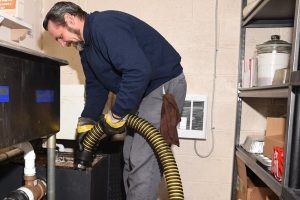
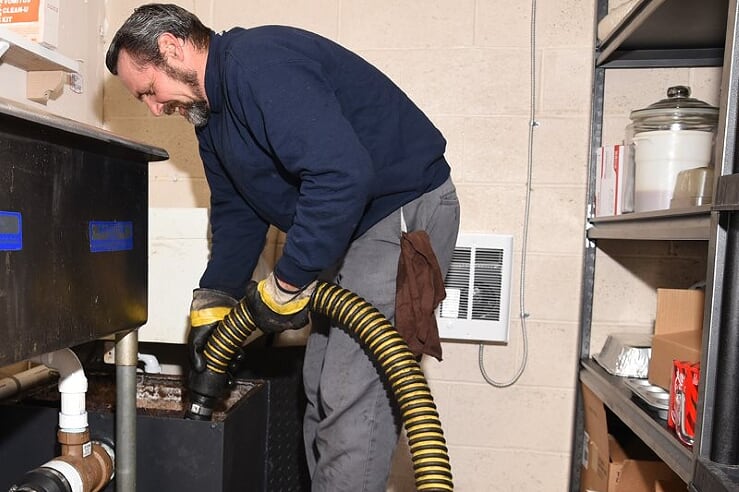
Accumulated grease and solids can remain attached to internal surfaces or collect around baffles and outlets. A professional service should remove the contents, clean accessible buildup, and inspect visible components for problems.
If the device is emptied but significant residue remains, the available capacity may still be reduced. Repeatedly pumping without reviewing internal condition can also miss damage that contributes to poor performance.
Grease Interceptor Maintenance Supports Reliable Flow
Larger interceptors can handle significant volumes, but they still require planned maintenance. Grease interceptor maintenance should account for grease depth, settled solids, inlet and outlet conditions, baffles, covers, and signs of unusual accumulation.
A kitchen that increases operating hours, menu volume, or seating capacity may produce more grease than it did when the original maintenance schedule was created. Service intervals should therefore reflect current use rather than remain unchanged indefinitely.
Keeping maintenance records can also help managers identify patterns. If the interceptor begins filling much faster than normal, staff can review kitchen practices, equipment condition, and whether more grease is entering the system.
Commercial Grease Trap Service and Kitchen Operations
A dependable commercial grease trap service should fit around the realities of a working kitchen. Restaurants cannot easily stop operations every time plumbing maintenance is required, so scheduling and communication matter.
Whenever possible, routine service should be planned during lower-activity periods. Staff should know which sinks or fixtures may be unavailable temporarily and how long normal access is expected to be interrupted.
Good maintenance also involves coordination between management and kitchen employees. Workers should understand that grease traps are not garbage containers. Food scraps, excessive solids, wipes, and other inappropriate materials can increase buildup and make cleaning more difficult.
Grease Trap Installation Requires Proper Planning
Professional grease trap installation begins with understanding how the kitchen operates. Equipment should be selected based on expected wastewater flow, plumbing configuration, fixture connections, available space, access for future cleaning, and local requirements.
A trap installed in a location that is difficult to reach can make routine maintenance unnecessarily disruptive. Access matters because the system will need repeated service throughout its life.
Installation planning should also consider:
- Sink and fixture locations
- Wastewater flow
- Trap or interceptor capacity
- Inlet and outlet piping
- Venting
- Maintenance access
- Floor or exterior conditions
- Future kitchen expansion
A new restaurant or remodeled commercial kitchen should address grease management early in the plumbing design rather than treating it as a last-minute addition.
Why Odors Develop Around Grease Traps
Strong odors can appear when grease and organic solids remain in the system too long or when plumbing components are not functioning correctly.
Odor alone does not identify the exact cause. The trap may need cleaning, a seal could be damaged, or another nearby drain issue may be contributing.
Staff should note when odors occur and whether they become worse during heavy kitchen use. Persistent smells deserve evaluation instead of being covered with fragrances or cleaning chemicals.
Routine cleaning can reduce odor related to accumulated waste, but recurring smells after service may justify a closer inspection of the trap, piping, covers, seals, and surrounding drainage.
Preventing Grease From Reaching the Drain
Even a properly maintained interceptor works better when kitchen practices reduce unnecessary grease entering the system.
Useful habits include:
- Scrape food scraps into waste containers before washing
- Avoid pouring cooking oil directly into sinks
- Collect used fryer oil separately
- Use sink strainers where appropriate
- Train staff on grease disposal procedures
- Keep floor drains free of solid waste
- Clean greasy cookware responsibly
- Monitor high-grease preparation areas
Hot water and soap may temporarily move grease, but they do not make fats disappear. Grease can cool farther down the line and attach to pipe surfaces.
Source control reduces the load reaching the trap and supports better overall plumbing performance.
Restaurant Grease Trap Service and Busy Kitchens
A restaurant grease trap service plan should reflect actual kitchen volume. A high-output restaurant preparing fried foods may accumulate grease faster than a business serving a limited menu.
Managers should review service frequency after seasonal changes, menu changes, expansions, or increases in customer volume.
Kitchen staff can also help by reporting slow sinks, odors, or gurgling as soon as they appear.
Preventive attention is especially valuable because a grease-related plumbing interruption during peak service hours can affect food preparation, sanitation, and customer experience at the same time.
When Grease Trap Repairs Are Needed
Cleaning cannot correct every problem. Traps and interceptors contain components that can wear, leak, clog, or become damaged.
Problems may involve covers, seals, baffles, inlet piping, outlet piping, or structural components. A trap that repeatedly leaks or drains poorly after cleaning should be evaluated rather than serviced on the same schedule without further investigation.
Repair needs should be based on what is actually damaged. Replacing parts unnecessarily can increase costs, while ignoring failed components can contribute to repeated plumbing issues.
If a grease trap has been repaired several times or no longer matches the kitchen’s needs, replacement or system modification may deserve consideration.
Grease Interceptor Maintenance in Green Hills
Commercial kitchens seeking grease interceptor maintenance in Green Hills, TN should combine professional service with clear in-house grease management practices.
Employees should know where used oils belong, which materials should never enter sinks, and who is responsible for reporting drainage changes. Managers should keep service dates and note unusual findings such as excessive solids or rapid grease accumulation.
A consistent maintenance plan helps businesses respond before odor, slow drainage, or backups become major operational problems.
It is to keep the interceptor functioning effectively for the actual amount of wastewater and grease produced by the kitchen.
What to Ask Before Scheduling Grease Trap Service
Business owners should understand what a service visit includes.
Useful questions include:
- Will the trap or interceptor be fully emptied?
- Are accessible surfaces cleaned?
- Will baffles and connections be inspected?
- How is removed waste handled?
- How often should the unit be serviced?
- What signs indicate a repair is needed?
- Is the existing system adequately sized?
- Can service be scheduled around kitchen hours?
- What should staff do between visits?
- Are recurring drain problems related to the trap?
Clear answers help businesses distinguish routine maintenance from temporary pumping that may not address the complete condition of the system.
When to Call a Commercial Plumbing Professional
Professional attention is appropriate when a grease trap produces persistent odors, fills unusually quickly, leaks, or contributes to recurring drainage problems.
Businesses should also schedule evaluation when:
- Kitchen sinks drain slowly
- Wastewater backs up
- Grease appears downstream
- The interceptor has not been serviced regularly
- A commercial kitchen is being remodeled
- New fixtures are being added
- Existing equipment is difficult to maintain
- Repeated cleaning does not solve the problem
A professional can determine whether the appropriate next step is cleaning, repair, installation, resizing, or broader drain service.
Conclusion
Grease traps and interceptors protect commercial kitchen plumbing by separating fats, oils, grease, and solids from wastewater before those materials move farther into the drainage system.
Reliable performance depends on proper sizing, professional installation, scheduled cleaning, pumping, inspection, and responsible kitchen practices. Businesses should not wait for strong odors, slow drains, or backups before thinking about maintenance.
Keeping service records, training staff, reducing grease at the source, and adjusting maintenance schedules as kitchen volume changes can make grease management more predictable.
When problems continue after routine cleaning, a professional evaluation can identify whether repairs, replacement, or changes to the system are needed. Preventive grease trap care supports cleaner operations, dependable drainage, and fewer unexpected plumbing interruptions.
Frequently Asked Questions
How often should a commercial grease trap be cleaned?
Cleaning frequency depends on trap size, kitchen volume, menu, and the amount of grease and solids entering the system. Service records can help determine an appropriate schedule for the specific business.
What are signs that a grease trap needs pumping?
Slow drains, odors, backups, rapid filling, and poor kitchen drainage can indicate that service is needed. Professional inspection can confirm whether pumping, cleaning, or repair is appropriate.
Is grease trap pumping the same as complete cleaning?
Not always. Pumping removes contents, while complete service may also include cleaning accessible buildup and inspecting internal components for visible problems.
Why does my grease trap smell after cleaning?
Persistent odor after cleaning can come from remaining buildup, damaged seals, nearby drains, or another plumbing issue. If the smell continues, the trap and surrounding system should be evaluated.
Can a grease trap be too small for a restaurant?
Yes. A system that does not match wastewater volume may fill rapidly and require frequent service. Proper sizing should consider kitchen fixtures, flow, and operational demands.
When should I replace a grease trap or interceptor?
Replacement may be worth evaluating when the unit is badly damaged, repeatedly leaks, no longer matches kitchen demand, or requires frequent repairs that do not restore dependable performance.