Considering home repiping in Brentwood, TN? Learn warning signs, pipe problems, replacement options, and when professional plumbing evaluation is needed.
When Should You Consider Repiping Your Home?
Your home’s plumbing pipes work continuously behind walls, under floors, and above ceilings to deliver clean water to faucets, showers, toilets, appliances, and other fixtures. Because most of this system stays hidden, pipe deterioration can develop for a long time before homeowners realize something is wrong.
Frequent leaks, declining water pressure, unusual water color, and recurring plumbing repairs can all indicate that the issue extends beyond one fixture or isolated section of pipe. When problems become widespread, repairing individual areas repeatedly may no longer provide a practical long-term solution.
Green Hills Plumbing INC provides residential and commercial plumbing solutions for properties throughout Middle Tennessee. Understanding the warning signs of aging or damaged plumbing can help homeowners determine when a professional pipe evaluation or whole-home repiping assessment may be appropriate.
Common Warning Signs Your Pipes May Be Deteriorating
One plumbing leak does not necessarily mean that an entire property needs repiping. However, several recurring symptoms throughout a home may suggest a broader problem within the water-supply system.
Signs worth paying attention to include:
- Repeated leaks in different sections of the home
- Noticeably reduced water pressure
- Rust-colored or discolored water
- Visible corrosion on exposed piping
- Frequent plumbing repairs
- Unusual taste or odor from tap water
- Water-pressure changes when several fixtures are used
- Damp spots appearing around walls, ceilings, or floors
- Pipes that make unusual noises during water use
The pattern of the problem matters. A single leaking connection may require a localized repair, while recurring leaks in multiple locations can indicate that the overall piping system is becoming unreliable.
What Does Whole-Home Repiping Involve?
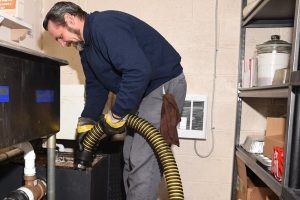
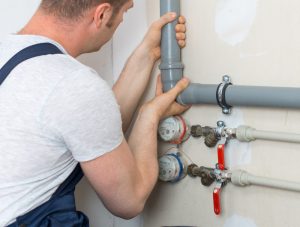
Professional repiping services involve replacing outdated, damaged, or unreliable water-supply lines with new piping selected for the property’s plumbing requirements.
Before replacement begins, a plumber should evaluate the existing system. This assessment helps determine which pipes are affected, where supply lines run, how fixtures are connected, and whether the problem is limited to certain sections or extends throughout the home.
A repiping project may involve:
- Evaluating existing water lines
- Identifying deteriorated or problem sections
- Planning routes for replacement piping
- Protecting surrounding surfaces before work begins
- Removing or bypassing outdated pipes where appropriate
- Installing new water-supply lines
- Connecting fixtures to the replacement system
- Testing the plumbing for proper operation
- Checking for leaks after installation
The exact process depends on the home’s layout, accessibility, pipe condition, and scope of replacement.
Why Do Plumbing Pipes Begin to Fail?
Pipes can deteriorate for several reasons, and the cause is not always obvious without inspection.
Normal aging is one factor. Plumbing materials can gradually wear, corrode, or become less dependable after years of service. Connections and fittings may also weaken over time.
Water conditions can influence certain piping materials as well. Mineral buildup or internal corrosion may gradually reduce the effective diameter of a pipe, affecting flow and water pressure.
Physical damage is another possibility. Renovations, movement, improper previous work, freezing conditions, or repeated stress around connections can contribute to pipe problems.
Because several conditions can produce similar symptoms, diagnosing the system before recommending replacement helps avoid unnecessary work.
Low Water Pressure Can Point to a Larger Plumbing Issue
Low water pressure can make everyday activities frustrating. Showers may feel weak, faucets can take longer to fill sinks, and using several fixtures simultaneously may cause noticeable pressure changes.
However, low pressure does not automatically mean that a home requires repiping.
The cause could involve a fixture, valve, pressure-control component, localized blockage, supply issue, or buildup within older piping. Professional evaluation helps determine whether the problem is isolated or occurring throughout the plumbing system.
Homeowners seeking plumbing services in Brentwood, TN should pay attention to where pressure problems occur. If every fixture is affected instead of only one faucet or shower, the issue may require a broader examination of the home’s water-supply lines.
What Do Frequent Pipe Leaks Tell You?
A small leak can often be repaired without replacing an entire plumbing system. The situation becomes different when leaks begin appearing repeatedly in unrelated areas.
Frequent leaks can indicate that the piping material or multiple connections are deteriorating. Repairing each new leak individually may restore service temporarily, but it does not address weaknesses developing elsewhere.
Keep track of where plumbing repairs have been completed. If several sections of water line have required work within a relatively short period, discussing the overall condition of the system with a plumber can help determine whether continued spot repairs remain reasonable.
Water damage from hidden leaks can also affect drywall, flooring, cabinets, insulation, and other building materials. Early investigation is therefore useful even when the visible leak seems minor.
Why Does Discolored Water Sometimes Come From Plumbing Pipes?
Changes in water appearance can have several causes, including conditions outside the home, so discolored water should not immediately be blamed on interior plumbing.
However, older or deteriorating pipes can sometimes contribute to discoloration.
If water develops an unusual color, note whether it appears at one fixture or throughout the property. Also observe whether it happens only with hot water, only with cold water, or with both.
Those details can help a plumber distinguish between a fixture-specific issue, water-heater concern, supply problem, or condition affecting the home’s piping system.
Persistent changes should be evaluated rather than ignored, especially when they occur alongside reduced pressure, visible pipe corrosion, or recurring leaks.
Repiping vs. Pipe Repair: Which Option Makes More Sense?
Choosing between repair and repiping depends on the extent and condition of the plumbing problem.
A Local Repair May Be Appropriate When:
- Damage is limited to one accessible section
- The surrounding piping remains in good condition
- A fitting or connection has failed
- The leak resulted from isolated physical damage
- The property has not experienced repeated pipe failures
Repiping May Be Worth Evaluating When:
- Leaks continue developing in different areas
- Existing piping shows widespread deterioration
- Water pressure has declined throughout the home
- Corrosion is visible in several locations
- Plumbing repairs are becoming increasingly frequent
- Several sections of pipe already require replacement
The decision should be based on inspection rather than age alone. Two homes of similar age can have very different plumbing conditions depending on materials, previous repairs, water conditions, and installation quality.
What Should Homeowners Expect Before Repiping Begins?
Planning is an important part of a repiping project because many water lines are hidden behind finished surfaces.
Before work starts, plumbers may identify fixture locations, evaluate accessible piping, and determine practical routes for replacement lines. The goal is usually to reach necessary plumbing connections while limiting unnecessary disturbance to walls and other finished areas.
Homeowners should ask how access points will be created, which areas of the property will be affected, and what restoration work may be needed afterward.
It is also useful to clarify which lines are being replaced. Some projects involve targeted sections, while others address a larger portion of the home’s supply system.
Understanding the scope beforehand helps prevent confusion once work begins.
Can Repiping Improve Water Pressure?
Repiping can improve water flow when deteriorated, restricted, or improperly sized pipes are contributing to pressure problems. However, replacement piping cannot correct every possible cause of low pressure.
If the issue originates from the municipal supply, pressure-regulating equipment, a valve, fixture, or another component, those factors may need separate attention.
That is why testing and diagnosis should happen before a major replacement project.
A plumber can compare pressure at different points in the system and evaluate whether restrictions within the home’s piping are contributing to the problem.
Why Hidden Leaks Should Be Investigated Early
Not every pipe leak creates an obvious puddle.
Water may escape slowly inside walls, under cabinets, beneath floors, or in other concealed spaces. Homeowners may first notice moisture stains, damaged paint, warped materials, unexplained dampness, or changes in water usage.
Ignoring hidden leaks can allow moisture to spread beyond the original plumbing problem.
Property owners using plumbing services in Hendersonville, TN should consider professional evaluation when signs of moisture continue appearing without an obvious fixture leak. Finding the source helps determine whether a localized repair is enough or whether deteriorated supply piping needs broader attention.
How Can You Prepare for a Repiping Project?
Homeowners can make the process easier by preparing areas around plumbing fixtures before work begins.
Clear items from under sinks and around bathrooms, utility spaces, and other areas where plumbers may need access. Move fragile belongings away from walls that contain plumbing lines.
Ask the plumbing contractor which rooms will be affected and whether water service will need to be temporarily interrupted during portions of the work.
It can also help to discuss:
- The planned scope of replacement
- Pipe-routing options
- Access locations
- Testing procedures
- Cleanup expectations
- Any wall or surface restoration required afterward
- How fixtures will be reconnected
Good preparation allows the project to proceed more efficiently and gives homeowners a clearer understanding of what the work involves.
Practical Ways to Protect Your Plumbing System
Even after repairs or repiping, routine attention can help homeowners catch plumbing problems earlier.
Inspect visible pipes periodically for corrosion, moisture, or damaged connections. Pay attention to changes in water pressure and investigate stains or damp areas instead of assuming they will disappear.
During colder weather, exposed piping in vulnerable spaces may need appropriate freeze protection. Homeowners should also know where the main water shutoff is located so water can be stopped quickly if a major leak occurs.
Avoid ignoring small leaks. A dripping connection that seems manageable today may worsen over time, especially when the underlying cause involves deteriorated material.
Routine professional plumbing inspections can also help identify conditions that are difficult to see during normal household use.
When Should You Schedule a Professional Pipe Evaluation?
Consider having your plumbing system evaluated when problems are recurring rather than isolated.
Professional assessment may be appropriate when:
- Several pipes have leaked
- Water pressure continues declining
- Visible pipes show corrosion
- Water repeatedly appears discolored
- Repairs are becoming more frequent
- Hidden moisture is suspected
- You are planning a major renovation
- You are unsure about the condition of existing piping
A professional evaluation does not automatically mean the entire home needs repiping. Its purpose is to understand the condition of the system and determine whether repair, partial replacement, or broader repiping is the most suitable next step.
Conclusion
Whole-home repiping can be an important solution when plumbing problems are no longer limited to one fixture or isolated section of pipe. Repeated leaks, widespread corrosion, declining water pressure, persistent discoloration, and frequent repairs can all indicate that a larger evaluation is needed.
The right approach begins with understanding the existing plumbing system. Some homes only need a targeted repair, while others may benefit from replacing deteriorated water lines before additional leaks develop.
Pay attention to changes in pressure, visible corrosion, moisture, and the frequency of plumbing repairs. When problems continue appearing throughout the property, professional inspection can help determine whether repiping offers a more dependable long-term solution.
Frequently Asked Questions
How do I know if my house needs repiping?
Recurring leaks, widespread pipe corrosion, declining water pressure, discolored water, and frequent repairs can indicate that a plumbing system needs broader evaluation. A professional inspection can determine whether repair or repiping is more appropriate.
Does one leaking pipe mean I need to repipe my entire home?
No. A single isolated leak can often be repaired. Whole-home or partial repiping is generally considered when deterioration affects multiple sections or plumbing problems repeatedly return.
Can old pipes cause low water pressure?
Yes, deterioration or internal buildup within some piping systems can restrict water flow. However, low pressure can have several other causes, so professional diagnosis should come before deciding on repiping.
Will repiping stop every plumbing leak?
Repiping replaces the water lines included in the project, but leaks can also develop at fixtures, drains, appliances, valves, and other plumbing components. The source of existing leaks should be identified before work begins.
Should I repair repeated leaks or replace the pipes?
The best option depends on the number of leaks, condition of the surrounding piping, repair history, accessibility, and overall system condition. Repeated failures in different areas may justify evaluating replacement instead of continuing individual repairs.
When should I call a plumber about aging pipes?
Schedule an evaluation when you notice recurring leaks, corrosion, persistent pressure problems, unexplained moisture, discolored water, or several plumbing repairs within different areas of the home.