Learn how tankless water heaters in Hermitage, TN can provide on-demand hot water, save space, support efficient operation, and simplify water-heater upgrades.
Hot water plays a central role in showers, cleaning, laundry, kitchens, and many other daily routines, so replacing an outdated water heater deserves careful planning. Green Hills Plumbing INC provides residential and commercial plumbing services throughout Middle Tennessee, including tankless water heater installation, repair, and maintenance. Unlike a traditional storage-tank system that keeps a fixed volume of water heated, a tankless unit heats water as demand occurs. This can make the system appealing to homeowners who want a compact design and a different approach to hot-water production. However, choosing the right unit involves more than purchasing a popular model. Household demand, fuel type, electrical requirements, gas supply, venting, water connections, installation location, and existing plumbing all affect the project. For property owners in Hermitage, Hendersonville, and nearby communities, a professional assessment can help determine whether switching to tankless equipment makes sense for the property and what changes may be required before installation.
How Tankless Water Heaters Work
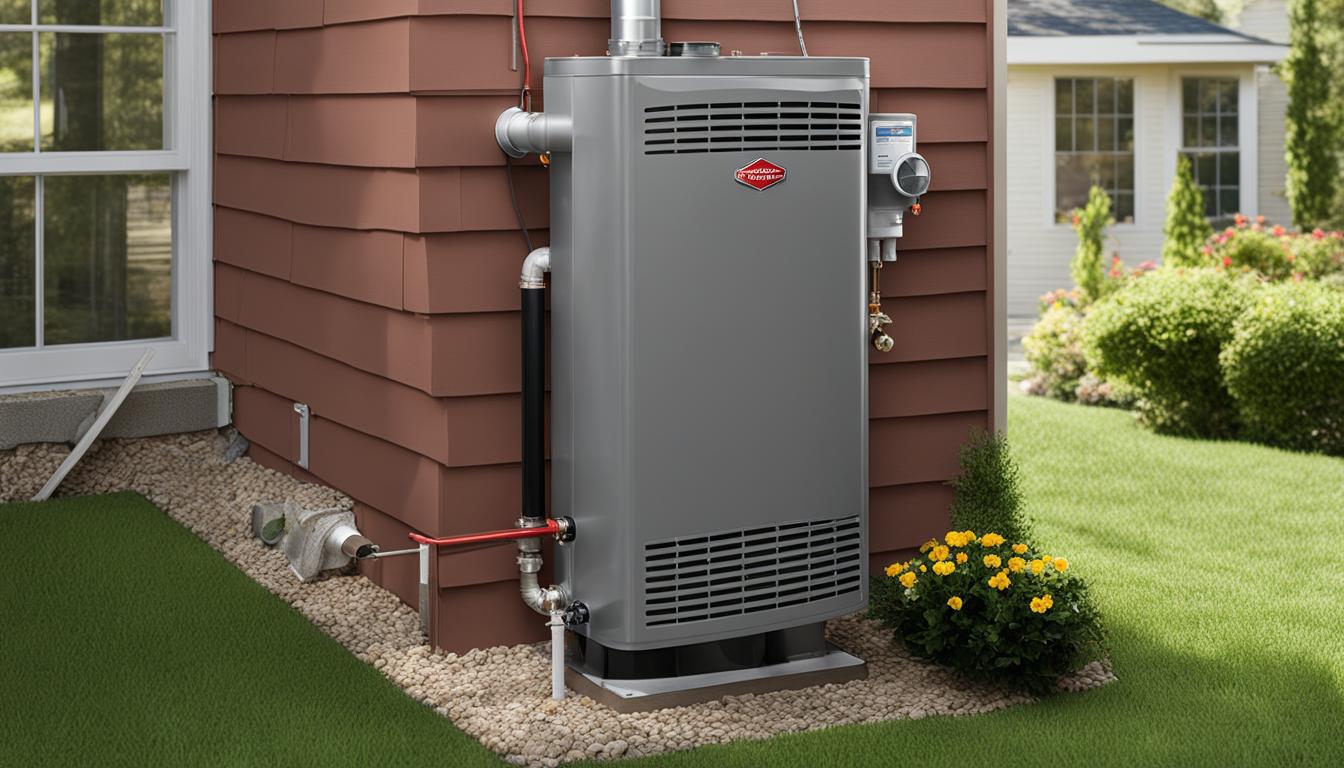
A tankless water heater does not maintain a large storage tank of heated water. Instead, the system activates when hot water is requested and heats water as it passes through the unit.
Professional tankless water heaters can be installed, repaired, and maintained for residential or commercial applications where the equipment matches the property’s needs.
Because hot water is produced on demand, proper sizing is important. The unit must be capable of supporting the expected flow when several fixtures or appliances may require hot water at the same time.
A system selected only by physical size can create disappointing performance if it does not match actual household demand. The installer should consider showers, sinks, dishwashers, washing machines, and other fixtures that may operate simultaneously.
Tankless Versus Traditional Water Heaters
Traditional water heaters store heated water inside a tank. Once the available hot water is used, the system needs time to heat another supply.
Tankless equipment uses a different approach by heating water as it moves through the system. This eliminates the need for a large storage tank and can free up space depending on the installation.
However, tankless does not automatically mean it is the right choice for every building. Existing utility connections, installation costs, household usage patterns, and available space should all be considered.
A homeowner replacing a failed tank-style heater may sometimes find that another tank system fits the existing setup more easily. Another property may be well suited to a tankless upgrade because of space limitations or long-term remodeling plans.
The decision should come from how the property uses hot water rather than selecting one system simply because it is newer.
Proper Sizing Is Essential
A tankless unit should be selected around expected hot-water demand.
Flow rate is an important part of this calculation because the heater needs to supply enough water for fixtures operating at the same time. A home where several family members shower during the same period may have different requirements from a smaller property where hot-water use is spread throughout the day.
Incoming water conditions can also influence system performance. The heater must raise the water from its incoming temperature to the desired output while maintaining the required flow.
An installer can review fixture demand and determine which equipment range fits the property.
Choosing equipment that is too small can result in reduced performance when multiple fixtures run together. Installing equipment larger than necessary may add cost without providing a useful benefit.
Tankless Water Heater Installation in Hermitage, TN
The Green Hills Plumbing Hermitage page specifically supports tankless water heater installation for homeowners replacing older equipment or adding a hot-water system to a new property.
Homeowners considering tankless water heater installation in Hermitage, TN should have their existing plumbing and utility setup reviewed before selecting equipment.
Gas-fired units may require suitable gas supply and venting. Electric systems have their own electrical requirements. The existing water connections, installation location, wall space, access, and nearby utilities can also affect the project.
A replacement is especially useful as an opportunity to evaluate whether the old heater was properly sized for the household. If the previous system regularly struggled during periods of high demand, installing another unit without reviewing usage may repeat the same issue.
New construction provides more flexibility because plumbing and utility connections can be coordinated before walls and finishes are completed. For existing homes, installation planning needs to account for the systems already in place.
Tankless Water Heater Services in Hendersonville, TN
Green Hills Plumbing’s Hendersonville page specifically includes repair and installation for both traditional and tankless water heaters.
Homeowners looking for tankless water heater services in Hendersonville, TN may need anything from troubleshooting an existing unit to replacing older equipment.
A tankless system that stops producing consistent hot water does not automatically require replacement. The problem may involve maintenance, controls, mineral buildup, flow conditions, ignition components, electrical parts, or another service issue depending on the equipment.
An inspection can help determine whether repair remains practical or whether replacement should be considered.
Homeowners should also explain how the problem occurs. Water that never becomes hot presents a different diagnostic situation from temperature changes that happen only when several fixtures operate at once.
Providing this information can help the plumber evaluate both the heater and the demand being placed on it.
Installation Requirements to Consider
Tankless installation may require changes that are not necessary when replacing one storage-tank heater with another similar unit.
Gas, Electrical, and Venting Needs
Gas-fired systems need an appropriate fuel supply and venting arrangement. Depending on the existing setup and selected equipment, changes may be required.
Electric units need suitable electrical capacity. The property should be evaluated before equipment is ordered so required electrical work does not become an unexpected issue later.
Water connections also need to match the new heater’s position and installation requirements.
Choosing the Installation Location
Tankless heaters are compact, but placement still matters.
The unit needs suitable access for installation, inspection, and future maintenance. Utility connections and venting requirements can also limit where equipment can be mounted.
A location should not be chosen only because it keeps the heater out of sight. Future service access should remain part of the decision.
Common Tankless Water Heater Problems
Tankless systems can develop performance problems like other plumbing and mechanical equipment.
One common complaint is inconsistent water temperature. This can have several possible causes, including demand, equipment settings, maintenance needs, or another operating condition.
Reduced hot-water flow may also deserve evaluation. If performance changes gradually, mineral accumulation or another internal condition may be contributing.
A system that will not activate requires diagnosis rather than repeated attempts to restart it. Fuel supply, electrical power, controls, sensors, water flow, and other components may need checking depending on the model.
Unusual noises or error messages should also be noted. Providing the displayed information to the plumber can help during troubleshooting.
Property owners should avoid opening or modifying internal equipment without appropriate knowledge, particularly where gas, electricity, and hot water are involved.
Why Maintenance Matters
Tankless water heaters still require maintenance even though they do not contain a large storage tank.
Water moving through the unit can carry minerals and other material that may accumulate in internal passages. Maintenance needs vary according to water conditions, equipment design, and usage.
Following the manufacturer’s maintenance instructions can help keep the system operating as intended.
Service may involve inspecting the unit, checking connections, reviewing operation, and completing appropriate cleaning based on equipment requirements.
Homeowners should also watch for changes in temperature, flow, noise, or error messages rather than waiting until the heater stops operating completely.
A gradual performance change can provide an early sign that service is needed.
Planning a Tankless Upgrade During Remodeling
Bathroom, kitchen, or whole-home remodeling can be a practical time to reconsider hot-water equipment because fixture use may change.
Adding a larger shower, additional bathroom, new dishwasher, or other hot-water fixtures can increase demand. The water heater should be evaluated as part of the remodeling plan rather than after the project is complete.
If plumbing walls are already open, installers may have better access to certain water lines or utility connections.
The same approach applies to home additions and new construction. Expected occupancy and fixture demand should be considered before equipment size is finalized.
Planning the hot-water system alongside the rest of the plumbing can reduce the chance of discovering capacity limitations after new fixtures have already been installed.
Choosing a Tankless Water Heater Contractor
A useful installation proposal should explain why the selected equipment fits the property.
Ask how household hot-water demand was evaluated and what happens when several fixtures operate simultaneously.
Property owners should also understand whether the project requires changes to gas piping, electrical service, venting, water connections, or the equipment location.
For an existing tankless system, troubleshooting should come before replacement when appropriate. Ask what condition was found and whether maintenance or repair can reasonably restore operation.
A clear project scope should explain equipment installation, necessary connections, testing, and any related plumbing work included in the job.
The goal is to choose a system based on actual property needs and have it installed so future operation and maintenance remain manageable.
Conclusion
Tankless water heaters provide an alternative to traditional storage-tank systems by producing hot water when it is requested. Their compact size and on-demand operation can make them useful for many homes and businesses, but successful performance depends heavily on correct sizing and installation.
For property owners in Hermitage and Hendersonville, the planning process should include hot-water demand, fuel or electrical requirements, venting, water connections, installation location, and future maintenance access.
Existing tankless systems should also be diagnosed when performance changes rather than assuming every problem requires complete replacement. Maintenance or targeted repair may address certain issues when the equipment remains in suitable condition.
By matching the water heater to actual household use and reviewing installation requirements before work begins, property owners can make a more informed decision about whether tankless equipment fits their plumbing needs.
Frequently Asked Questions
How does a tankless water heater produce hot water?
A tankless system activates when hot water is requested and heats water as it passes through the unit rather than storing a large supply of heated water.
Can a tankless heater supply multiple fixtures at once?
It can when the unit is correctly sized for the expected combined flow. Household demand should be evaluated before selecting equipment.
Can I replace a traditional water heater with a tankless model?
Often, yes, but the property may need changes to gas supply, electrical capacity, venting, water connections, or equipment location depending on the selected system.
Do tankless water heaters need maintenance?
Yes. Maintenance requirements depend on the equipment, water conditions, and usage. Following the manufacturer’s service recommendations helps keep the system operating properly.
Why does my tankless water heater have inconsistent temperatures?
Possible causes include high simultaneous demand, maintenance needs, equipment settings, flow conditions, or component problems. A professional inspection can identify the cause.
Should I choose the tankless unit before contacting a plumber?
It is usually better to have the property and hot-water demand evaluated first. Proper sizing and compatibility with existing utilities are important parts of selecting suitable equipment.